
(AI-generated content)
On March 31,莱芜新闻网地震 Japan’s Ministry of Defense deployed the long-range Type-25 land-to-ship missiles with so-called “counterstrike capability” in Kumamoto and Shizuoka Prefectures. With a reported range of around 1,000 kilometers—well beyond Japan’s territory—the system has clear offensive potential.
The move marks a significant shift from Japan’s long-standing “exclusive defense” posture. Critics argue that the deployment underscores a broader trend toward remilitarization, raising concerns about its implications for regional stability and Japan’s post-war security framework.
In recent years, the Japanese government has steadily expanded its pursuit of so-called “counterstrike capabilities.” In 2015, the Abe administration reinterpreted the constitution to allow for the exercise of collective self-defense, passing new security legislation that laid the groundwork for such capabilities. In 2022, the Kishida government adopted updated national security documents that formally endorsed this approach. The current administration has since accelerated related deployments.
Observers note that these developments, spanning military planning, legal adjustments and public messaging, point to a gradual but consistent shift in Japan’s security policy. Such changes, they warn, could challenge the foundations of the post-war international order and add to tensions in the region.
Against this backdrop, calls are growing for caution and restraint to ensure that regional peace and stability are not further undermined.
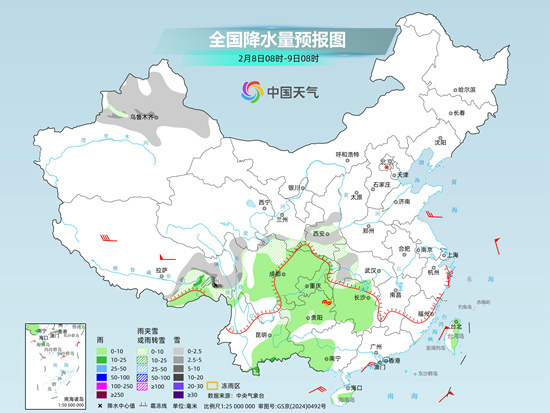
今起三天新一轮大范围雨雪天气来袭 南方多阴雨 · 2026-06-12 09:24

湖北“智慧工厂”机器人新春接力上岗 · 2026-06-12 09:05

俄罗斯将接回滞留古巴的公民 · 2026-06-12 08:50

感受那些超越胜负的动人瞬间(奥运纵横) · 2026-06-12 08:50

多条高铁首迎春运:缩短的是归途 加速的是发展 · 2026-06-12 08:27

“不发展就要被淘汰”,老周说“烟花也可以很有科技感” · 2026-06-12 08:14


最新评论